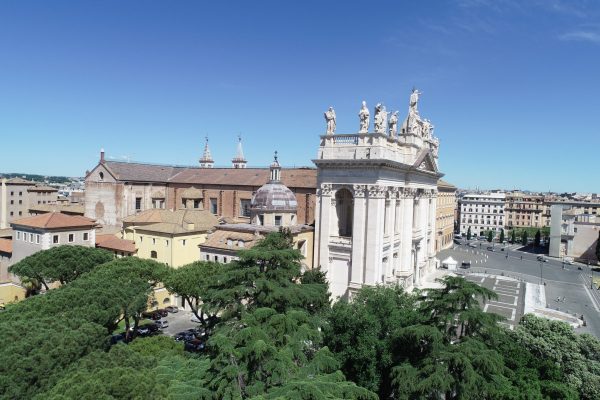
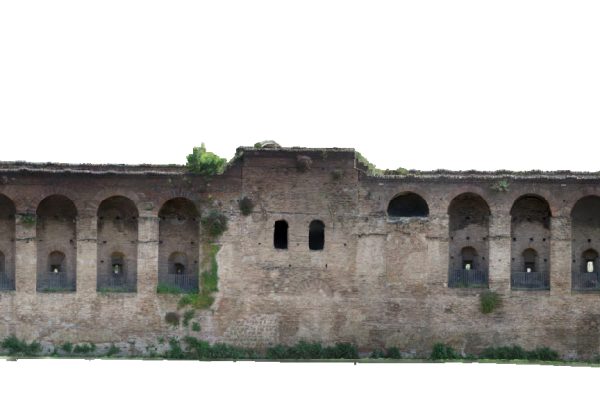
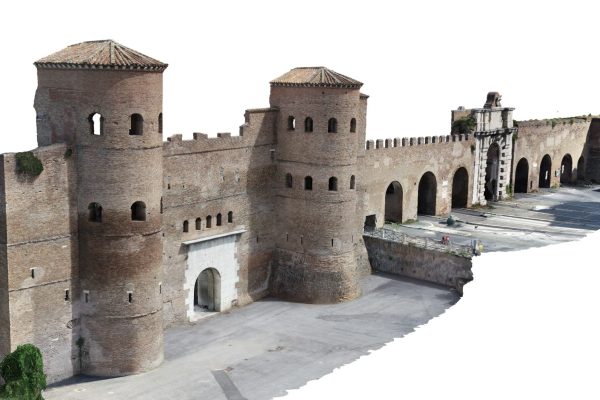
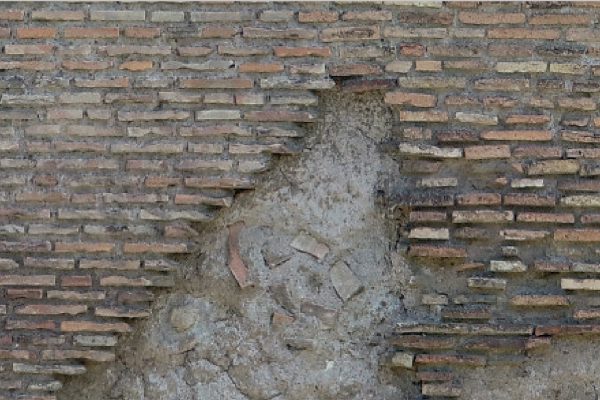
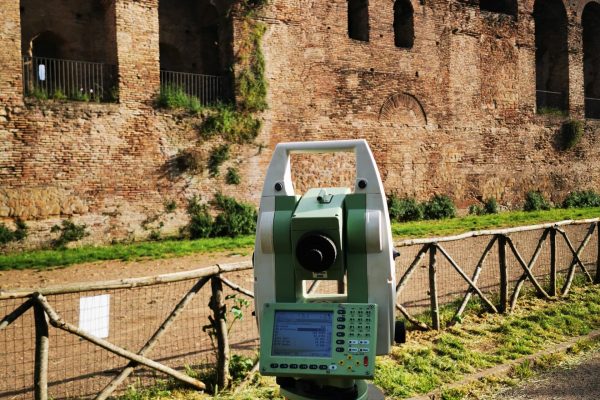
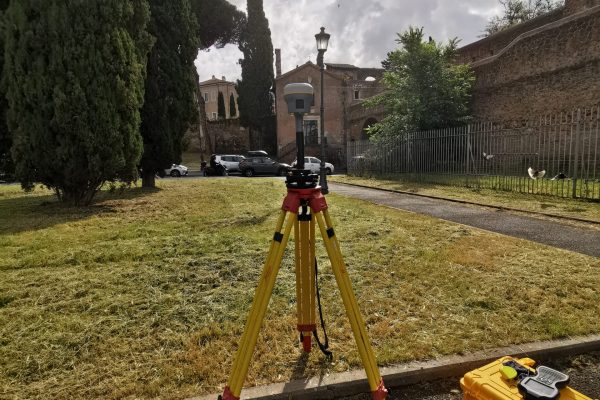
The Aurelian Walls, built in the late 3rd century CE under Emperor Aurelian, are still one of the most striking ancient features in the urban landscape of Rome. Originally stretching nearly 19 kilometers around the city, large portions of these fortifications survive and can still be seen today, often integrated into the modern city fabric. Towers, gates, and long stretches of brick-faced walls remain standing, offering a tangible reminder of the defensive strategies of the late Roman Empire. Unlike many ancient structures that disappeared over the centuries, the Aurelian Walls endured because they continued to serve practical purposes throughout the Middle Ages and even into modern times. Today, they form not only an important archaeological and historical monument, but also a living testimony to the resilience of Roman engineering and the layered history of the Eternal City. As part of the ‘Rome Transformed’ project, we carried out drone-based aerial photogrammetric surveys for the 3D documentation of the monument.