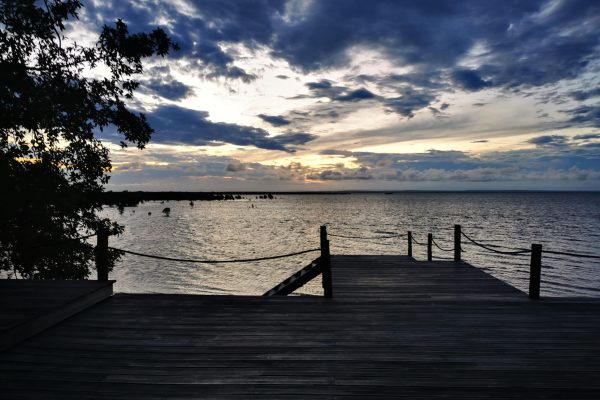
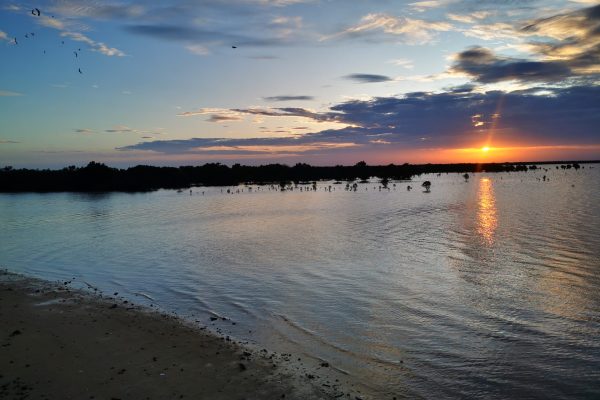
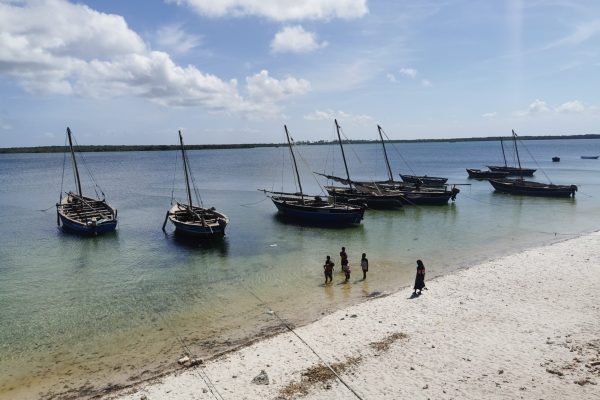
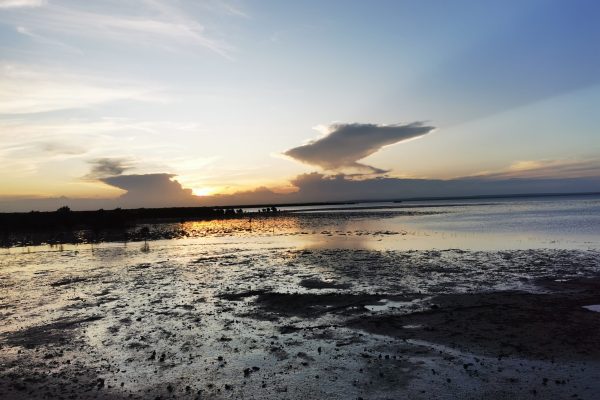
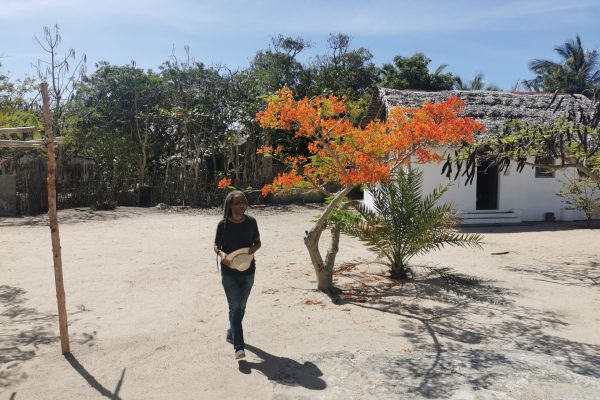
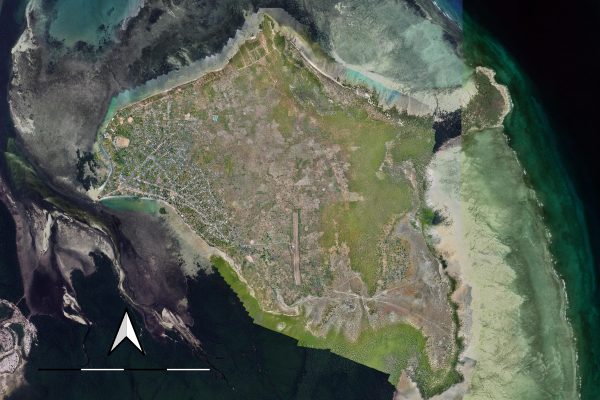
Ibo Island, situated within the Quirimbas Archipelago off northern Mozambique, represents a site of significant ecological and historical interest. The island is characterized by extensive mangrove systems, diverse coral reef assemblages, and relatively undisturbed coastal habitats, contributing to high marine biodiversity.
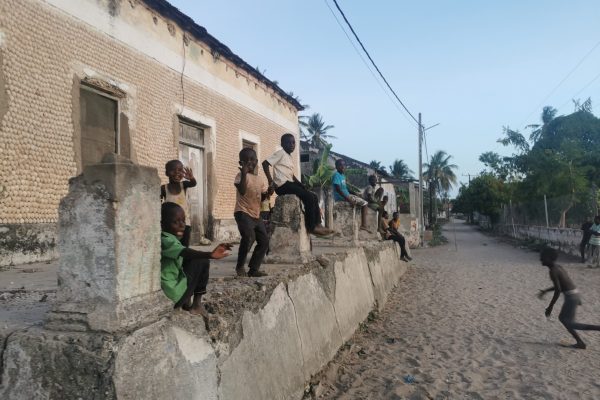
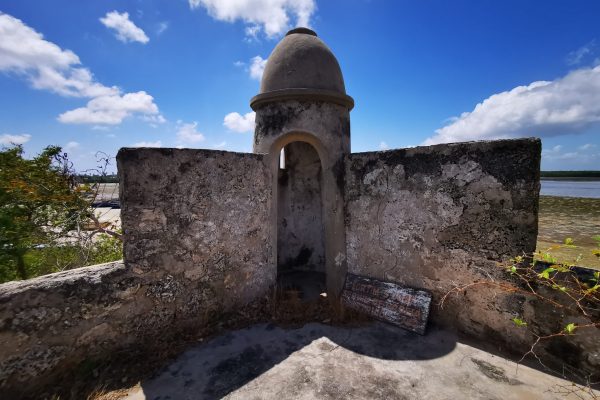
From a historical perspective, Ibo functioned as a strategic Portuguese trading post and military outpost during the colonial period, leaving a material culture manifested in fortifications, stone-built residences, and other architectural vestiges. The island thus constitutes an invaluable locus for the integrated study of coastal ecology and colonial-era cultural heritage.
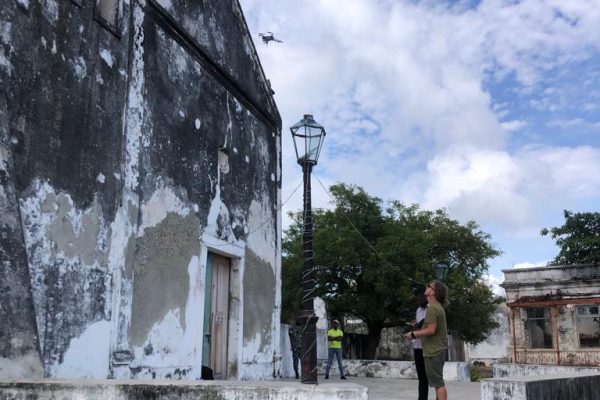
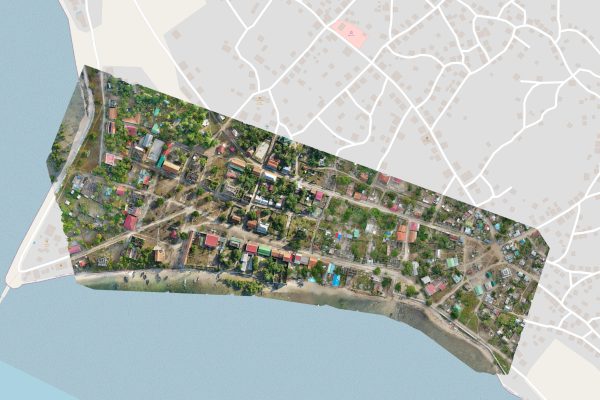
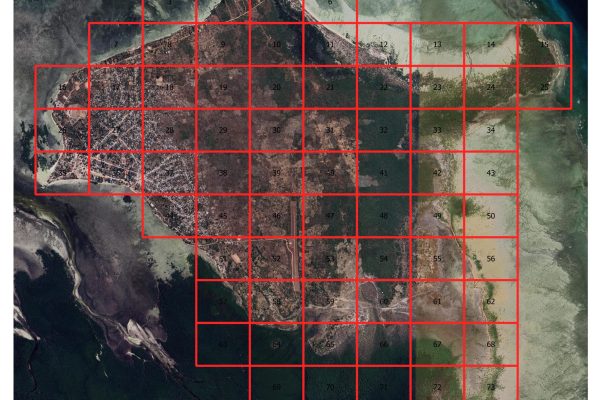
The 3D survey of Ibo Island focused on producing high-resolution mapping, including orthophotos and digital elevation models, serving as a GIS basis for the condition assessment of the historical center. Furthermore, digital twins of several monuments were created for conservation and dissemination purposes.